AI at work articles
AI at work articles are 9 AIPDPA pieces that quote Thai law word for word and say what organisations must do. They suit DPOs, legal teams and business owners, who get answers with the legal text and links to read further.
AI at work
 AI at work
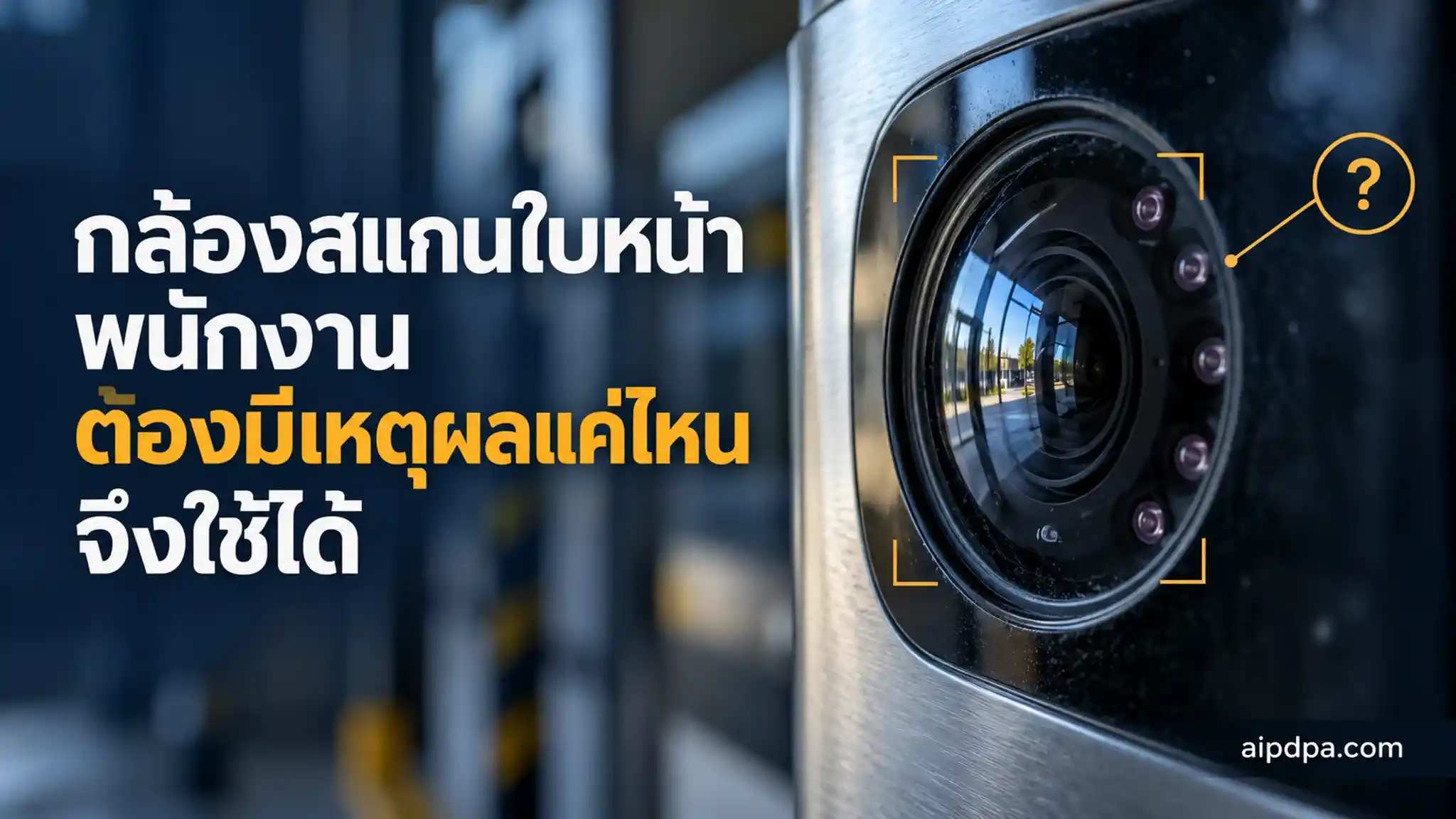
Face-scan cameras at work: how strong a reason do you need?
Thailand's NCSA guideline on AI-enabled CCTV says in so many words that a security camera does not automatically justify facial recognition. Once a face becomes a template, the PDPA treats it as sensitive data under Section 26.
 AI at work
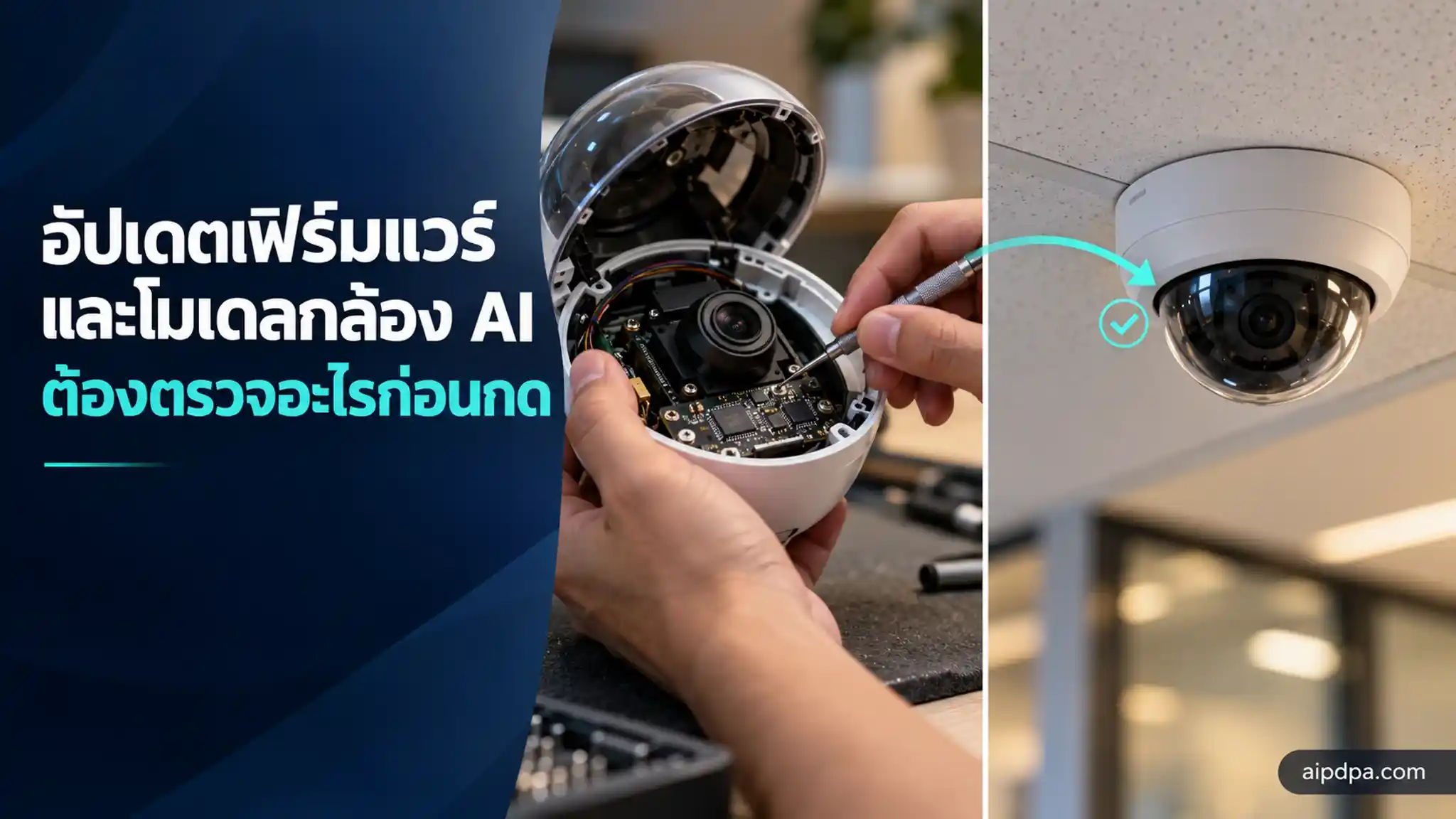
What to Check Before Updating AI Camera Firmware
An AI camera can come back online after an update and still detect things differently, with nobody noticing. The order of work before and after pressing update, following the NCSA guideline for AI-enabled CCTV.
 AI at work
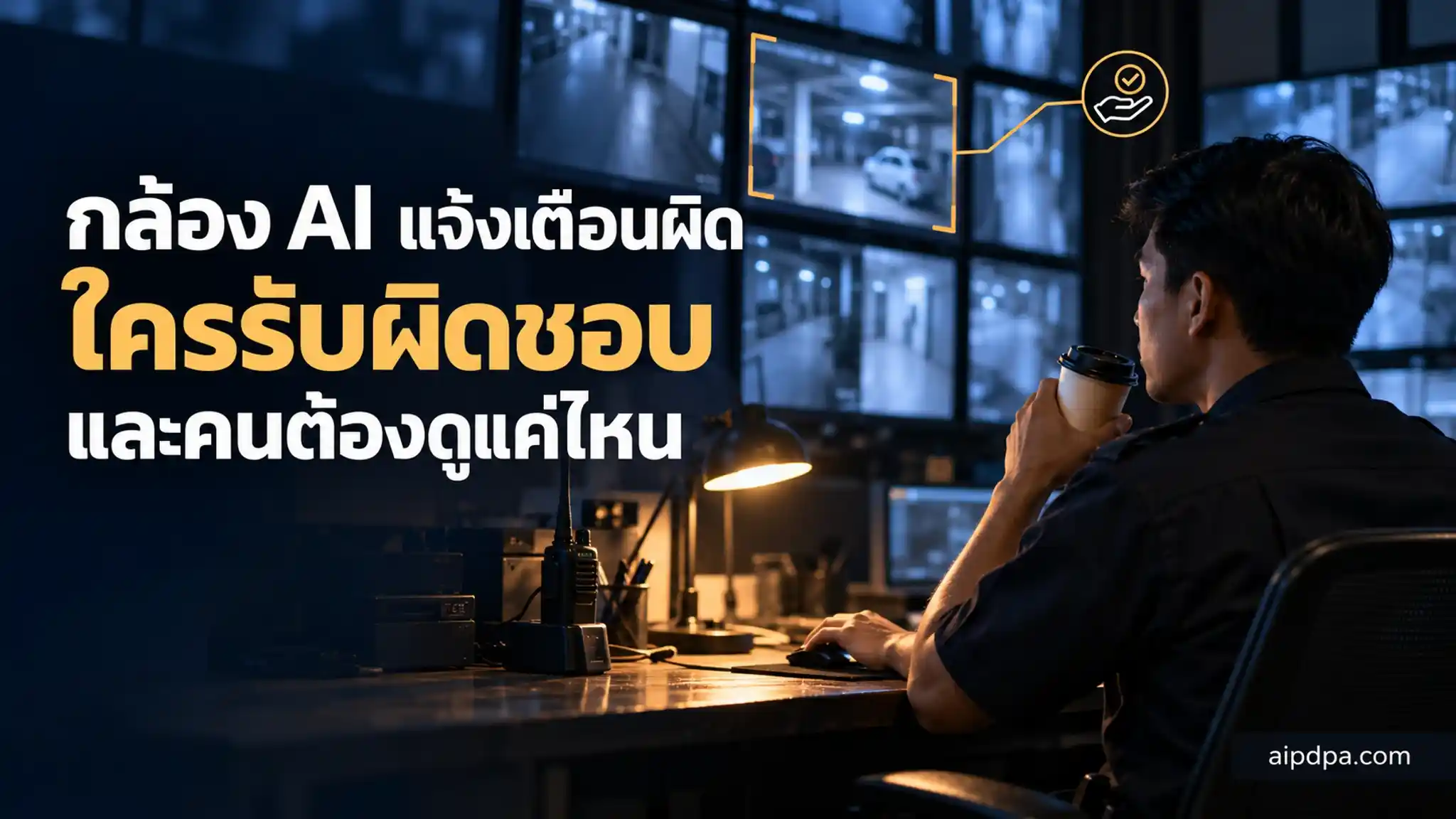
AI camera alerts that are wrong: who answers, and how much must a person check?
Thailand's NCSA guideline on AI-enabled CCTV says that 'a person checks it' is not enough: oversight must be designed so people can act, and a confidence score is not proof.
 AI at work
EIA or DPIA: Which Comes First, and Can They Share One Form?
ETDA's draft EIA Playbook asks whether an AI system should exist at all and who it affects. A DPIA under the PDPC's AI guideline asks how the use of personal data threatens people's rights. Here is when to use which, and a combined worksheet that does both in one pass.
 AI at work
What the Board Should Ask Before Approving an AI Project
Two Thai guidelines, one from ETDA and one from the PDPC, speak directly to executives: what to ask, which documents to demand, and which decisions should not be left to the machine. Here they are, turned into a one-page board checklist.
 AI at work
When a customer asks a human to review an AI decision: what Thai businesses must do
A loan declined in three minutes, a claim flagged as fraud, a seller account suspended. The customer asks: who decided, and can a person look again? The answer sits in two places: rights the PDPA already gives, and what the PDPC's AI guideline recommends on top.
 AI at work
Staff Pasted Customer Data into ChatGPT: What Four Thai Rulebooks Say
One paste into a public chatbot, read against four Thai texts: the PDPC's AI guideline, ETDA's generative-AI guideline, PDPA Sections 28–29, and the Trade Secrets Act.
 AI at work
Customer-service chatbots under the PDPA: what to tell users and how long to keep chats
Customers type their names, phone numbers, order numbers, sometimes their medical history. Every line is personal data your chatbot collects. Here is what Thailand's PDPA and the PDPC's AI guideline say about it.
 AI at work
Thailand's AI bill and PDPA amendment: what to prepare now
Neither the draft Thai AI Act nor the MPs' bill to amend the Personal Data Protection Act is law yet. What follows draws on AIPDPA team notes, which are not legal text. Every step we suggest doing today is tied to the PDPA that is actually in force.
Topic index

Who stands behind this guide?
Written by the AIPDPA legal team · Content owner: Phuwara Krobtaku, Attorney-at-law · Thai Barrister-at-Law · technology & intellectual property counsel
Lawyer's licence no. 477/2558 · Thai Barrister-at-Law · LL.M. in Intellectual Property & IT Law (Gold Medal)